
Lighting is a fundamental element in wedding photography, playing a crucial role in creating stunning and evocative images that capture the beauty and emotion of the day. Whether shooting indoors or outdoors, mastering lighting techniques enhances the quality and impact of wedding photos. Here’s a comprehensive guide to lighting techniques that photographers can employ to achieve beautiful results on a couple’s special day.
1. Natural Light Photography
Natural light is often the most flattering and versatile source of illumination for wedding photography. When shooting outdoors or near windows, photographers can harness natural light to create soft, diffused lighting that enhances skin tones and minimizes harsh shadows. Here’s how to make the most of natural light:
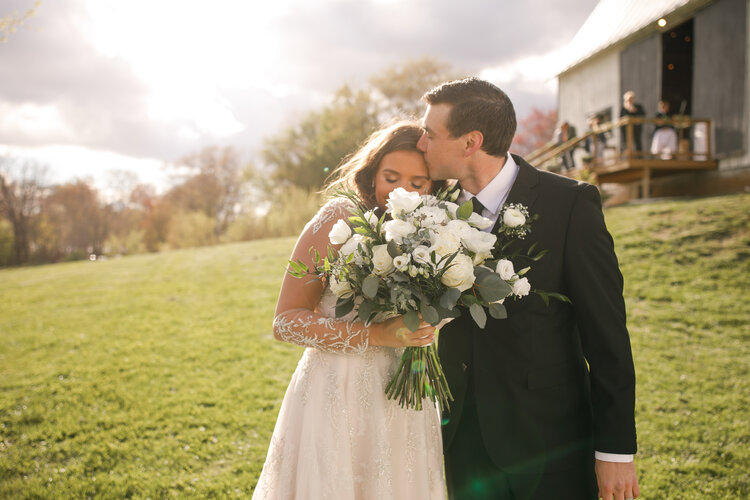
- Golden Hour: Schedule outdoor portrait sessions during the golden hour—shortly after sunrise or before sunset—when the light is soft, warm, and directional, casting a flattering glow on subjects.
- Diffusion: Use sheer curtains, tree canopies, or architectural features to diffuse harsh sunlight, creating softer, more even lighting for outdoor ceremonies or portraits.
- Reflectors: Reflectors bounce natural light back onto subjects, filling in shadows and adding a gentle, flattering glow. Silver reflectors enhance brightness, while white reflectors provide a softer fill.
2. Off-Camera Flash Techniques
Off-camera flash (OCF) allows photographers to control and manipulate artificial light sources for creative effects and consistent lighting in various conditions. Here’s how to use OCF effectively:
- Softening Light: Attach a softbox or umbrella to the flash to diffuse light, creating soft, flattering illumination for portraits and indoor shots.
- Directional Lighting: Position the flash at different angles to create depth and drama in images. Experiment with side lighting, backlighting, and overhead lighting to sculpt subjects and emphasize textures.
- Fill Flash: Use fill flash to balance exposure in bright outdoor settings or to brighten shadows in dimly lit environments without overpowering natural ambient light.
3. Indoor Lighting Strategies
Indoor wedding venues present unique challenges due to varying artificial lighting conditions. To achieve beautiful indoor wedding photos, consider these strategies:
- Ambient Light Awareness: Evaluate existing indoor lighting and adjust camera settings accordingly. Use a higher ISO setting for low-light conditions while maintaining image quality and minimizing noise.
- Gel Filters: Correct color casts from artificial lighting by using gel filters that match the color temperature of ambient light sources. This ensures consistent and natural-looking skin tones in indoor portraits.
- Bounce Flash: Soften harsh shadows and create even lighting by bouncing flash off ceilings or walls. Adjust flash power and angle to achieve balanced illumination and avoid overexposure.
4. Creative Lighting Techniques
Beyond basic lighting setups, photographers can employ creative lighting techniques to add depth, drama, and atmosphere to wedding photos:
- Silhouette Shots: Position subjects against bright backgrounds or light sources to create striking silhouette images that emphasize outlines and shapes.
- Bokeh Effect: Use a wide aperture (low f-stop) to create a shallow depth of field, blurring background lights into beautiful bokeh circles that add a dreamy, romantic ambiance to wedding portraits.
- Light Painting: Experiment with long exposure and handheld light sources, such as sparklers or fairy lights, to paint patterns or words in the air for unique nighttime wedding shots.
5. Consistency and Adaptability
Maintaining consistency in lighting throughout the wedding day is essential for creating a cohesive album of images. Communicate with the couple to understand their preferences for lighting styles and adapt techniques to suit different venues, weather conditions, and cultural ceremonies. Prepare backup lighting equipment and anticipate changes in natural light throughout the day to ensure consistent quality in all photos.
6. Post-Processing for Enhancement
After capturing wedding photos, use post-processing techniques to fine-tune lighting and enhance overall image quality:
- Exposure Adjustment: Correct underexposed or overexposed areas by adjusting exposure, shadows, highlights, and contrast for balanced lighting.
- Color Correction: Use white balance adjustments to ensure accurate color reproduction and natural skin tones. Remove color casts caused by different lighting sources using selective editing tools.
- Sharpening and Detail Enhancement: Enhance image sharpness and clarity to emphasize textures and intricate details in wedding attire, floral arrangements, and décor.
Conclusion
Mastering lighting techniques is essential for capturing beautiful and evocative Tennessee wedding photos that tell the story of a couple’s special day. Whether using natural light, off-camera flash, or creative lighting effects, photographers can enhance the mood, atmosphere, and visual impact of their images. By understanding the principles of lighting, adapting to different environments, and using post-processing tools effectively, photographers can create timeless and memorable wedding photos that reflect the beauty, emotion, and joy of the occasion.
 Romance In Focus